A printed mural turns a blank wall into a whole view: a forest at dawn, a hand-painted chinoiserie, a wash of abstract color that runs floor to ceiling. Digital printing made the scenic wall, once a luxury commission, something you can size to your own room.






How a printed mural is built
Unlike repeating wallpaper, a mural is a single composed image split across panels that align when hung. The artwork is scaled to your exact wall, then divided into strips, so the scene reads as one continuous picture rather than a pattern. That is why a mural is measured and often made to order rather than pulled off a shelf.
Because the image is composed for a specific size, the way it is scaled matters. A scene enlarged too far goes soft; one shrunk too small loses the drama that makes a mural worth doing. Good mural sources let you set the finished dimensions and adjust where the focal point lands, so a doorway or a piece of furniture does not cut the scene in an awkward place.
Scenic, panoramic, and abstract
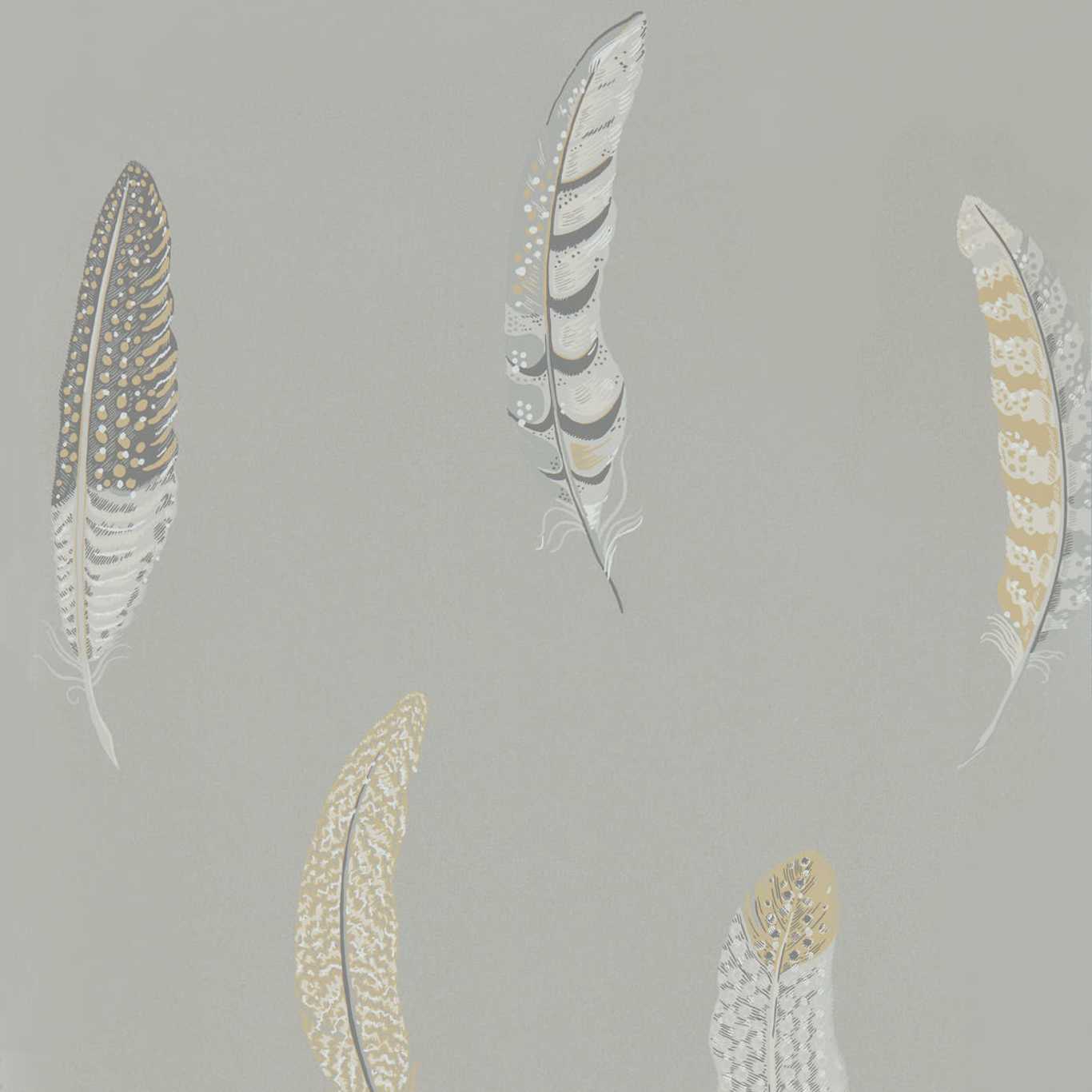
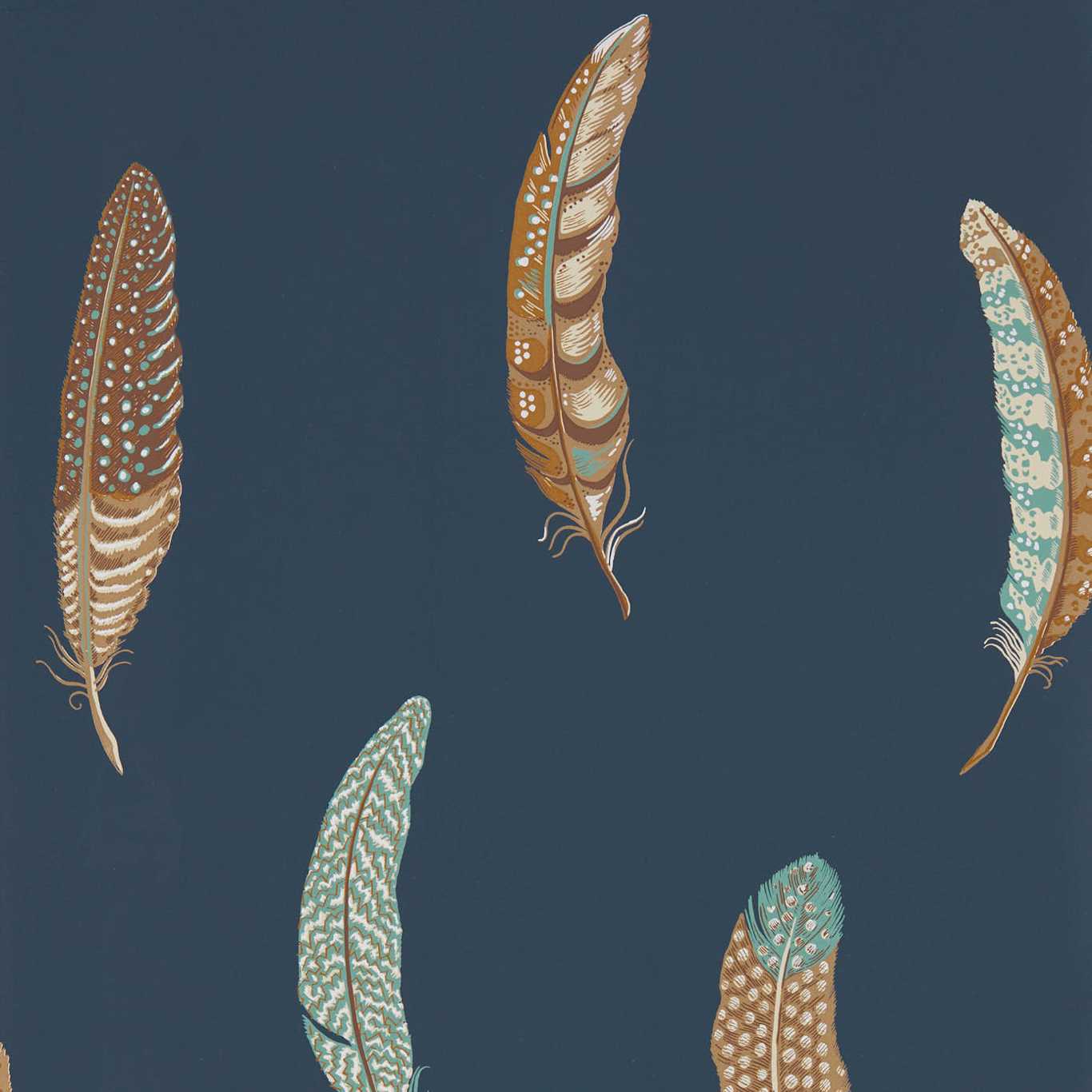
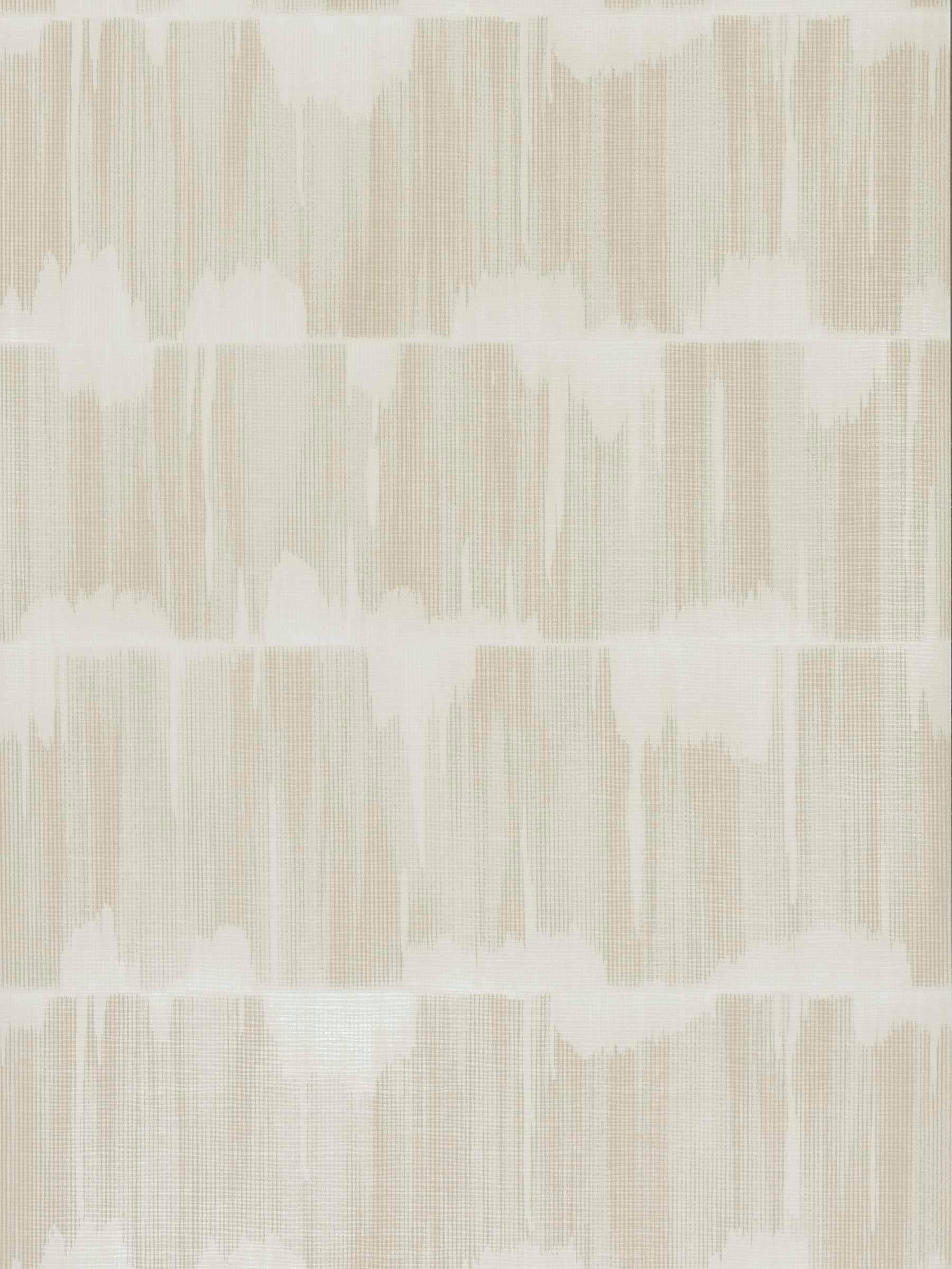
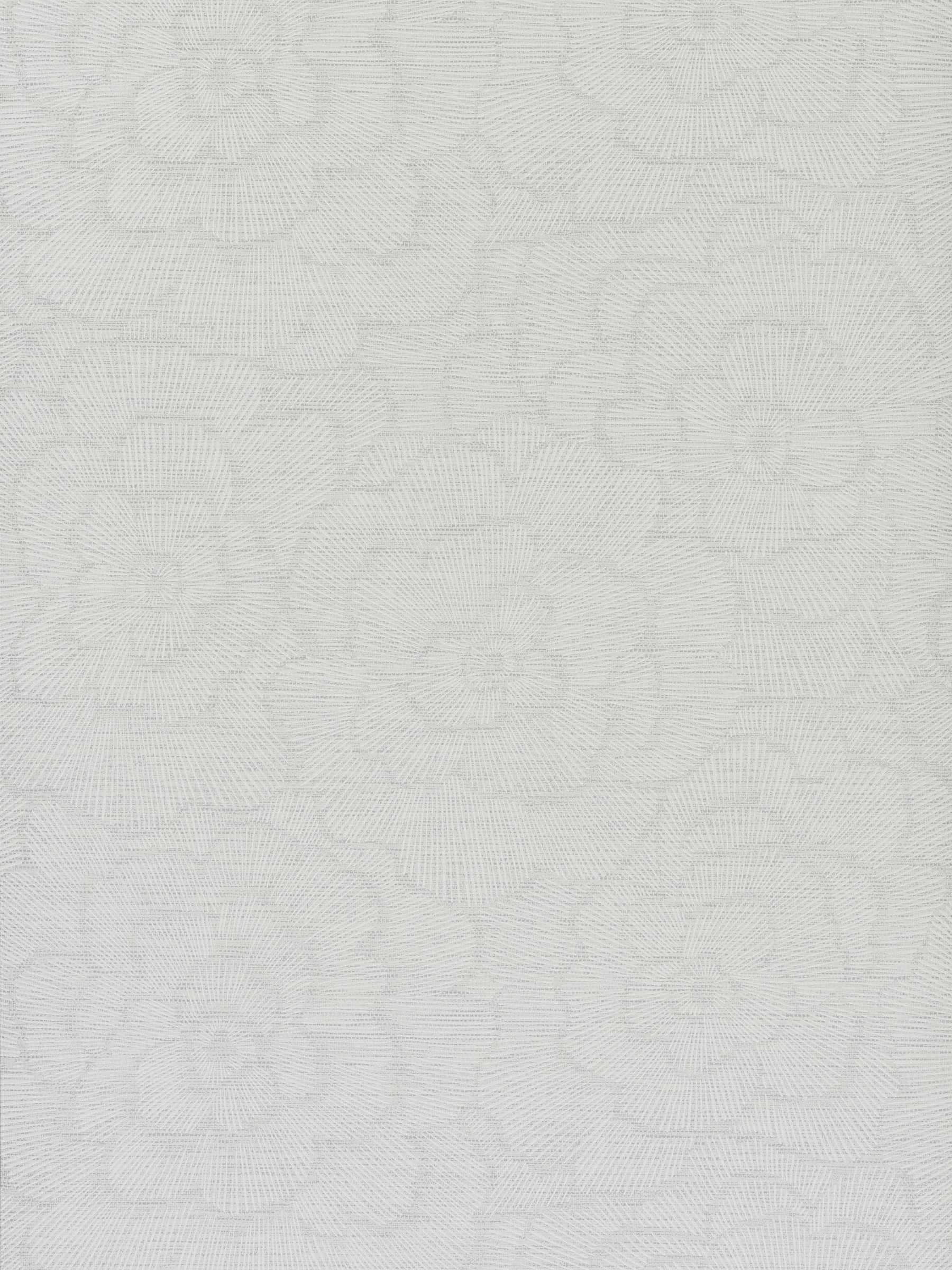
Murals fall into a few broad camps. Scenic murals depict a place or a narrative: landscapes, gardens, cityscapes, the classic hand-painted-style chinoiserie. Panoramic murals wrap a continuous horizon around a room, which suits a dining room or a stairwell where the eye travels. Abstract and textural murals trade a literal scene for color, gesture, or an oversized organic motif, and they read as art rather than illustration.
The right category depends on how the room is used. A narrative scene rewards a room where people sit and look, like a dining room or a bedroom. A panoramic wrap earns its keep in a circulation space. An abstract mural is the safest choice for a room whose furniture and function may change, because it does not lock you into a story.
Materials and finishes
The substrate changes both look and durability. A matte non-woven paper gives the most painterly, art-like surface and is the default for living spaces. A vinyl or coated substrate adds scrubbability and moisture resistance for kitchens, baths, and commercial jobs. A textured or canvas-look finish adds tooth that flatters painterly artwork, while a smooth finish keeps fine detail crisp.
Ink and coating decide how the mural lives. Latex and UV-cured inks resist fading better than older solvent prints, which matters in a sunny room. A protective topcoat lets a mural in a busy hallway be wiped down. Ask what ink and coating a mural uses before you commit, because the same image on two substrates can behave very differently over years.
Quick checklist before you order
- Measure twiceGive exact wall height and width including any slope; murals are cut to your numbers, not standard rolls.
- Place the focal pointDecide where the main subject should land so furniture and doorways do not crop it.
- Match the substrateChoose coated or vinyl for kitchens, baths, and high-traffic walls; matte paper for quiet rooms.
- Mind the outletsNote switches, vents, and trim so panels can be planned around them cleanly.
- Check fade resistanceAsk about ink type; UV-cured and latex inks hold color far longer in sunny rooms.
Frequently asked
Can a printed mural be made to fit any wall size?
Yes. Most murals are printed to order at your measured dimensions, then split into aligning panels, which is why accurate measurements matter so much.
Are printed murals hard to install?
They are more like hanging numbered panels in sequence than repeating wallpaper. A pro is worth it for large or panoramic scenes where alignment must be exact.
Can I put a mural in a bathroom?
Yes, if you choose a coated or vinyl substrate rated for moisture and keep it out of direct shower spray; matte paper murals are for dry rooms.
Read more
- From file to wall: how a digital mural is actually printedLatex, UV-cure, and eco-solvent are the three engines behind most wide-format murals. What each process does to ink, substrate, and the surface you end up living with.
- The DPI question: why 150 at final size beats 300 for a wallPrint shops ask for 300 DPI out of habit, but a wall is viewed from feet away, not inches. How resolution really works at mural scale, and the one number that actually decides sharpness.
- Panels, drops, and seams: how a mural gets split to fit real wallsAlmost no mural prints in one piece. The logic of panelization — drop widths, overlap versus butt seams, sequencing, and matching to a wall that is never perfectly square.
- Substrate school: nonwoven, peel-and-stick, and vinyl groundsThe material a mural is printed on is not an afterthought. A working comparison of the three grounds you will actually be offered, and where each one earns its place.
- Color that survives the wall: profiles, proofing, and lightThe mural on your monitor and the mural on your wall are two different objects made two different ways. How color management, proofing, and room light decide whether they agree.